
Last Updated on 20 September, 2026 by Elby | The Tasteful Pantry
These easy baking recipes bring the bakery cabinet home, with cakes, scones, muffins, biscuits, slices, scrolls, breads, pastries and pies, including plenty of familiar Australian bakery favourites.
You’ll find quick bakes for the lunchbox, cakes for afternoon tea, freezer-friendly snacks and savoury favourites that can handle anything from a family lunch to a party platter. Several recipes also make very good use of ripe fruit, leftover ingredients and neglected pantry supplies. They may have been overlooked in the kitchen, but covered in cake batter their popularity generally improves.
Start with basic scones if you want something warm on the table without a lengthy wait, try my easy chocolate cake when cake is required with minimal fuss, or head straight to the savoury bakery favourites when lunch is the more pressing concern. Choose a section below or browse the complete collection when you’re in the mood to bake but haven’t yet decided what.
Choose a section below or browse the full collection when you’re in the mood to bake but haven’t yet decided what.
Cakes and Classic Bakes
From simple tea cakes to richer celebration cakes, this section covers the recipes I turn to when a proper slice of cake is called for. Some are quick stir-and-bake affairs, while others involve icing, filling or a little more patience. None requires professional decorating skills or a cupboard full of specialist equipment.
Fruit-based cakes are especially useful when apples, bananas or zucchinis are nearing the end of their respectable lunchbox career. Once baked into a soft, warmly spiced cake, the same ingredients that were being carefully avoided tend to disappear without further discussion.


For more options, browse my complete collection of cake recipes.
Muffins and Scones
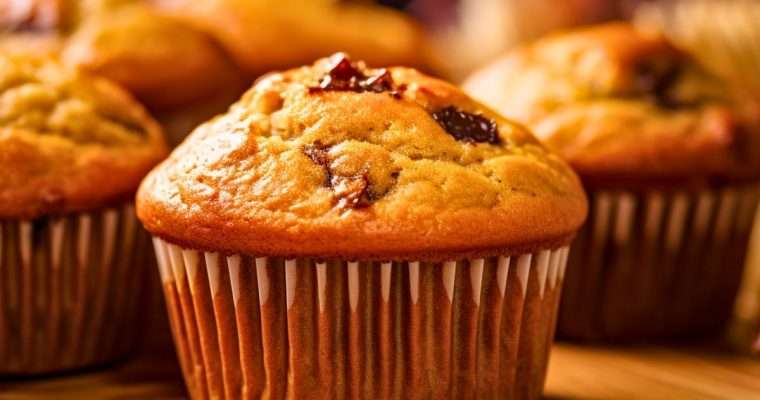
Muffins and scones are reliable choices when time is limited or the freezer snack supply has become worryingly bare. Both depend on fairly light handling: overmixing muffin batter or repeatedly working scone dough can turn a tender bake into something much firmer than intended.
The good news is that a slightly lumpy muffin batter is fine and scone dough doesn’t need to look perfectly smooth. This may be one of the rare occasions when stopping sooner is the responsible choice.


For more flavour ideas and practical advice, my guide to homemade muffins covers mixing, texture, storage and getting a good dome.
Biscuits
From crisp shortbread to soft-centred cookies, these biscuit recipes are straightforward, easy to share and suitably sturdy for lunchboxes. Most also keep well in an airtight container, although their actual shelf life will depend heavily on who knows where you’ve put them.


You can find even more crisp, chewy and chocolate-filled ideas in my homemade biscuit collection.
Slices and Brownies
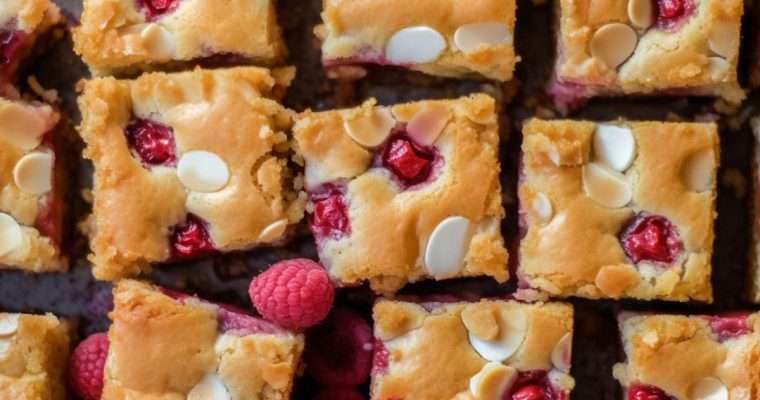
Slices and brownies are practical bakes for parties, morning teas and filling the freezer with individually portioned treats. They’re generally baked in one tin and cut after cooling, which keeps preparation simple and avoids the need to shape separate portions.
Cooling is the less exciting but important part. Giving the bake enough time to set will produce clean squares rather than a delicious heap requiring emergency distribution among everyone standing nearby.


My chocolate collections has an abundance of white, milk and dark chocolate cooking ideas.
Scrolls, Buns and Quick Breads
This group covers soft yeast bakes alongside loaf-style quick breads. Yeast scrolls and buns need time to rise, but most of that time is hands-off. Quick breads use baking powder or bicarb soda instead, so they can usually be mixed and baked without waiting for dough to prove.
Both are good candidates for batch baking. Scrolls can be frozen individually for lunchboxes, while sliced banana, carrot and zucchini breads can be separated with baking paper so you can remove only what you need.


Pastries, Tarts and Sweet Pies
Crisp pastry against a soft filling is hard to beat, but pastry doesn’t always need to be made from scratch. Homemade shortcrust is useful when you have the time, while good store-bought pastry makes plenty of sense on a busy day. I usually keep some in the freezer because dinner does not become less urgent simply because pastry has not been lovingly laminated by hand.
Keep homemade pastry cool, avoid overworking it and allow enough resting time before rolling. For recipes made with store-bought pastry, thaw it until flexible but keep it cool enough that the butter does not soften excessively before baking.


If you like the idea of these, check out all things pastry.
Savoury Bakery Favourites
Australian bakery cabinets are not built on sweets alone. Sausage rolls, quiches, savoury scrolls and pastries are just as useful at home, particularly when lunchboxes need filling or a platter needs something more substantial than another bowl of chips.
These recipes cover quick puff-pastry snacks, family lunches and bakes that can be frozen for later. Many are also flexible enough to absorb small quantities of cheese, vegetables, cooked meat or herbs that need using.


Baking Tips for Homemade Bakery Treats
Simple ways to get better results from home baking
Bakery-style results are less about complicated decoration and more about doing a few basic things consistently. The details vary between recipes, but these habits solve a surprising number of baking problems.
Measure accurately
Baking is less forgiving than a soup or casserole, so use the measurements supplied in the individual recipe. Kitchen scales are especially useful for flour, sugar and butter, where a firmly packed cup can give you considerably more than intended.
Check the ingredient temperature
Room-temperature eggs and dairy usually combine more evenly in cake and muffin batters. Pastry and scones are different: their butter and other ingredients often need to stay cold. Follow the individual recipe rather than applying one temperature rule to everything in the oven.
Mix only as much as needed
Overmixing can make muffins, scones and quick breads firm or rubbery. Stop once the dry ingredients are incorporated unless the recipe specifically calls for further beating. A few small lumps in muffin batter are less concerning than a batter that has been thoroughly interrogated.
Preheat the oven properly
Putting a bake into an oven that is still warming can affect its rise, texture and cooking time. Give the oven enough time to reach the required temperature and use an inexpensive oven thermometer if your results regularly differ from the recipe.
Let baked goods cool as directed
Cooling time is part of the method, particularly for slices, custard-filled bakes and iced cakes. Cutting too soon can cause fillings to spill, slices to crumble or icing to melt. Warm biscuits and scones are a different matter and may reasonably be investigated earlier.
Freeze before food is forgotten
If a batch is unlikely to be eaten while fresh, freeze part of it as soon as it has cooled. Portion cakes and breads before freezing, separate slices with baking paper and label the container. This protects the food from freezer mystery status and leaves you with something useful for another day.
Baking with ingredients that need using
Baking is particularly good at giving slightly tired ingredients a second chance. Very ripe bananas bring sweetness and moisture to cakes, breads and muffins. Apples that have softened can be peeled and chopped for muffins, scrolls or fruit cakes, while surplus zucchini disappears comfortably into a sweet loaf or chocolate cake.
Small quantities of nuts, chocolate and dried fruit can often be added to biscuits or muffins, provided the recipe allows it. Leftover bread has uses too, although admittedly not much of it becomes cake without some fairly creative accounting.
Food still needs to be safe to eat: baking will not rescue mouldy fruit, rancid nuts or spoiled dairy. The aim is to use ingredients that have lost some freshness or visual appeal, not ingredients that should be discarded.
FAQs for Easy Baking Recipes
Which homemade bakery treats freeze well?
Most muffins, scones, unfrosted cakes, quick breads, biscuits, scrolls and sausage rolls freeze well. Let them cool completely, wrap or contain them securely and label them before freezing. Check the individual recipe for more specific storage instructions, especially for custard, cream or cream cheese fillings.
How can I keep homemade baked goods fresh?
Store completely cooled cakes, muffins and biscuits in airtight containers. Keep crisp biscuits separate from soft cakes so their textures do not change, and refrigerate anything containing fresh cream, custard or another perishable filling. Pastry is generally best on the day it is baked but can often be refreshed briefly in the oven.
What can I bake with overripe fruit?
Banana cake, banana bread, apple muffins, apple cinnamon scrolls and fruit-based cakes are all useful options. Soft berries can be folded into muffins or cakes, while surplus zucchini works well in sweet zucchini bread and chocolate zucchini cake. Use fruit that is ripe or slightly soft but still safe to eat.
Can homemade bakery recipes be made gluten-free or dairy-free?
Some can, but baking substitutions are not always interchangeable. Use the alternatives recommended in each individual recipe, particularly when replacing flour, butter or eggs, as these ingredients affect structure as well as flavour. A direct swap may work in one recipe and create a small building material in another.
What is the difference between biscuits and cookies?
In Australia, “biscuit” is the broad everyday term, while “cookie” is often used for larger, softer or chunkier American-style bakes. The wording overlaps, and many recipes could reasonably be called either. Texture is a more helpful clue than the name.
Find your next baking project
These bakery favourites cover quick afternoon bakes, lunchbox supplies, family celebrations and savoury snacks that can be made ahead. Pick something that suits the time and ingredients you have, then follow the individual recipe for its specific mixing, baking and storage instructions.
I’ll continue adding new homemade bakery recipes to this collection as they are tested and published. If there is a bakery favourite you would like to see next, leave a comment below. You can also follow The Tasteful Pantry on Instagram, Facebook and Pinterest for new recipes and ideas.
Cheers, Elby