
Last Updated on 15 September, 2026 by Elby | The Tasteful Pantry
One pan and one pot meals are my answer to the part of the evening when everyone wants dinner but nobody wants the washing-up that comes with it. Curries, soups, stir-fries, pasta dishes and oven bakes can all turn a handful of everyday ingredients into a proper family meal, without leaving every saucepan in the house soaking beside the sink.
They are also extremely useful when the fridge contains several ingredients that need a plan. A soft carrot can disappear into soup, a handful of spinach can be stirred through curry and leftover roasted vegetables can bulk out pasta or rice. Dinner gets made, food gets used and the kitchen remains reasonably civilised. That’s quite a lot to ask from a single pan.
This collection brings together my easy one pan and one pot meals, from fast weeknight stir-fries to slow-cooked curries and big pots of soup. If dinner itself is the problem rather than the number of dishes it creates, you can also browse my dinner ideas for more family-friendly inspiration.
What Count As One Pan And One Pot Meals
A true one pot meal is cooked from beginning to end in the same saucepan, stockpot, casserole dish or Dutch oven. Soup, curry and pasta cooked directly in its sauce all fit neatly into this group.
A one-pan meal follows the same idea but may use a frying pan, wok, roasting tin or oven-safe skillet instead. Stir-fries and tray bakes belong here. Some recipes still need bread, rice or another simple side if you want to add one, but the main part of dinner is handled in a single pan.
The aim is not to win a technical argument over cookware. It is to make a satisfying meal with a straightforward method and far less cleaning at the end.
Easy One Pot Curries And Slow-Cooked Dinners

Curries and slow-cooked meals make excellent one pot dinners because the sauce and main ingredients cook together. Building the flavour in stages matters: soften the onion, cook the spices or curry paste until fragrant, then add the liquid and give everything time to mingle. It takes only a few extra minutes at the beginning and saves the finished sauce from tasting flat.


Quick One Pan Meals For Busy Nights
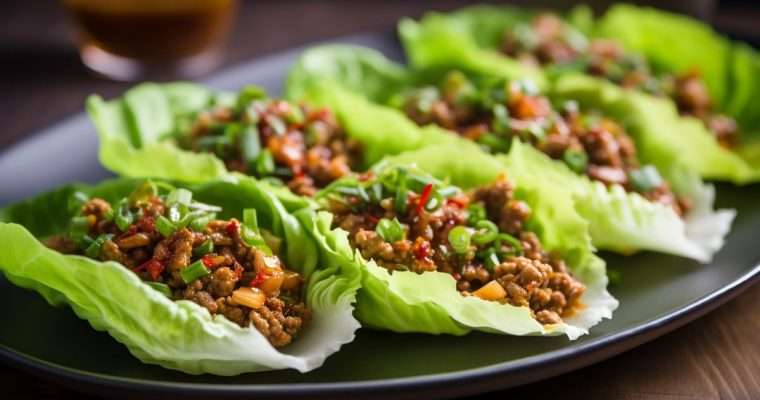
A wide frying pan or wok is the fastest route to dinner when time is tight. Stir-fries work best when the ingredients are chopped before the pan is heated, as the cooking moves quickly once it starts. Keep the heat reasonably high, cook in batches if the pan is crowded and add the sauce towards the end so the vegetables stay bright and the meat browns rather than steams.


Discover more quick one pan meals in my collection of stir-fries.
One Pot Soups That Make A Full Meal

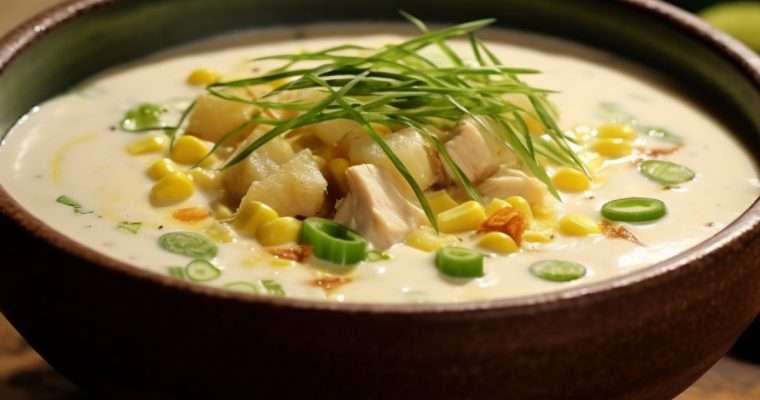
Soup may be the hardest-working one-pot meal of all. It can absorb vegetables in various states of fridge neglect, stretch a small amount of meat across several serves and usually freezes well. I often make a large batch and freeze individual portions.
For a heartier bowl, add beans, lentils, potato, pasta or leftover cooked meat. Bread, croutons, cheese, yoghurt or toasted seeds can finish the meal without creating another cooking project. You can find even more options in my collection of homemade soups.


One Pan Pasta, Rice And Oven Dinners
Pasta and rice dishes need a little more attention to liquid. When the starch cooks directly in the sauce, it absorbs liquid as well as flavour, so use the quantities in the recipe and check the pan towards the end of cooking. Add a small splash of hot stock or water if the dish looks dry before the pasta or rice is tender.
Oven dishes are equally low-fuss, although some involve a little preparation before everything goes into the baking dish. A deep roasting tin, casserole dish or oven-safe frying pan gives the ingredients room to cook evenly and helps prevent an enthusiastic sauce from bubbling over the edge.


How To Make One Pan Dinners Taste Better
Using less cookware does not mean tipping everything in at once and hoping for a minor miracle. A few small choices make a noticeable difference with one pan meals.
Build the flavour first. Give onion time to soften and cook garlic, ginger, spices or tomato paste briefly before adding lots of liquid. This creates a much better base for the whole dish.
Choose ingredients with similar cooking times. Cut firm vegetables smaller and quick-cooking vegetables larger, or add them at different stages. Potato and spinach may share a pot, but they should not enter it together.
Do not crowd the pan. This matters most for stir-fries and meat dishes. An overcrowded pan traps steam, so ingredients become wet and pale rather than browned.
Keep texture in mind. A soft curry, pasta or soup benefits from something fresh or crisp at the end. Try herbs, toasted nuts or seeds, fried shallots, croutons, lemon zest or a spoonful of yoghurt.
Taste before serving. A squeeze of lemon or lime, a splash of vinegar or an extra pinch of salt can wake up a dish that tastes heavy or flat. Add a little, taste and adjust again.
Making Easy One Pot Dinners From What You Already Have
One pan and one pot meals make it easier to cook flexibly, but substitutions still need a little thought. Rather than replacing every ingredient at random, keep the basic structure of the meal intact:
- Protein: chicken, beef, lamb, pork, fish, tofu, eggs, beans or lentils.
- Vegetables: fresh, frozen and leftover cooked vegetables can all work, depending on the recipe.
- Carbohydrate: pasta, rice, noodles, potato, sweet potato, couscous or bread on the side.
- Flavour base: onion, garlic, ginger, herbs, spices, curry paste, tomato paste or another strongly flavoured condiment.
- Liquid: stock, tomatoes, coconut milk, cream or water, used in the amount needed to cook and bind the dish.
- Fresh finish: citrus, herbs, yoghurt, cheese, nuts, seeds or something crunchy.
Before adding leftovers, consider when they need to go into the pan. Raw carrot can simmer for quite a while; cooked broccoli needs only enough time to heat through. Add delicate leafy greens right at the end and reduce other liquid if you are using watery vegetables such as zucchini.
Fewer pans can also mean less water and energy used for cooking and cleaning. More importantly, flexible meals help use open tins, tired vegetables, leftover meat and small amounts of dairy before they are forgotten. Not every stray ingredient belongs in every curry, admittedly, but most can find a sensible home somewhere in this collection.
FAQs For Family One Pot Meals And One Pan Recipes
What is the difference between one pan meals and one pot meals?
The terms describe the cookware rather than a different style of food. One pot meals are cooked in a saucepan, stockpot, casserole or Dutch oven, while one pan meals may use a frying pan, wok, skillet or roasting tin. Both aim to cook the main part of dinner in a single vessel.
Can pasta cook directly in its sauce?
Yes. Pasta can cook directly in a sauce as long as there is enough liquid for it to absorb. Stir it during cooking, particularly as the sauce thickens, and add a splash of hot water or stock if the pasta is still firm but the pan is becoming dry. My sausage pasta and tomato, bacon and bean soup both use this method making them great one pan and one pot meals.
Can I put raw meat and vegetables in the same pan?
Yes, provided everything reaches a safe final temperature and the ingredients are added according to their cooking times. Many one pot recipes brown meat first for better colour and flavour, then add the vegetables and liquid. Follow the individual recipe rather than assuming every ingredient should be added at once.
Can one pot meals be frozen?
Many one pot recipes for curries, stews, soups and cooked meat fillings freeze very well. Cool leftovers promptly, transfer them to airtight containers and follow the storage advice in the individual recipe. Creamy sauces can occasionally separate and cooked pasta or potato may soften after freezing, although they are generally still perfectly good to eat.
How do I stop one pot meals from becoming watery?
Use the stated liquid quantity, keep high-moisture vegetables in mind and simmer without the lid if the sauce needs to reduce. A wide pan also allows liquid to evaporate faster. Give it time before adding thickener; many sauces naturally become thicker as they reduce or cool slightly.
What is the best pan for one pot meals?
A heavy-based Dutch oven or casserole is excellent for one pot dinners like curries, stews and soups because it holds heat evenly and can often move from stovetop to oven. A large, deep frying pan is more useful for one pan recipes like quick pasta dishes and skillet meals, while a wok suits stir-fries. The best choice is a pan large enough to hold the ingredients without crowding them.
Less Washing Up, More Actual Dinner
The best one pan and one pot meals are not merely convenient; they make everyday ingredients work harder. A curry can carry extra vegetables, a soup can rescue produce that has lost its crunch and a slow-cooked filling can become two or three different meals across the week.
Start with the time and ingredients you have. Choose a quick stir-fry when dinner needs to happen now, a soup when the crisper needs attention or a slow-cooked curry when you can let the pot quietly get on with it. You will still need a chopping board and probably a spoon but the kitchen after cooking one pot dinners should be considerably less confronting.
If you have ideas for more easy one pot dinners you’d like to see on my site, leave a comment below. And for more tasty ideas and new recipes from The Tasteful Pantry, join me on Instagram, Facebook and Pinterest.