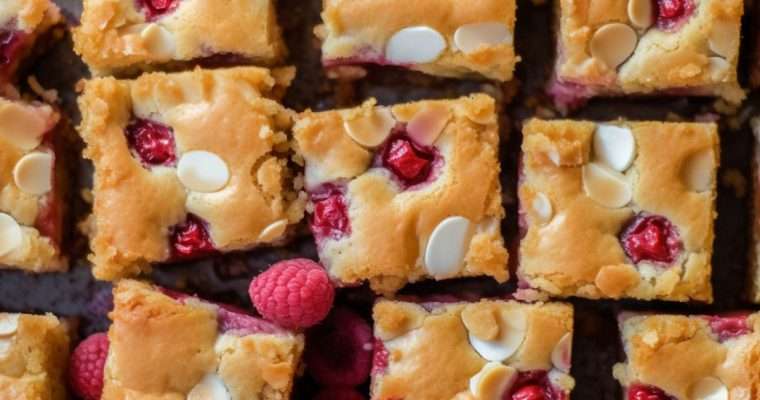
Orange yoghurt cake is soft, moist and full of fresh citrus, with a lightly golden top and a tender crumb that needs very little dressing up. Fresh orange zest and juice bring the flavour, Greek yoghurt adds a gentle tang, and a little almond meal gives the cake a lovely richness. Finish with a dusting of icing sugar, cut a proper slice and put the kettle on. Afternoon tea is looking good.
The method is pleasingly straightforward: whisk the wet ingredients, mix the dry ingredients separately, then bring them together with a spatula. Oil makes this a quick cake to prepare, and the mixing happens entirely by hand.
If you enjoy the soft citrus crumb of my mandarin almond cake, this orange yoghurt cake is another lovely bake to try. It has a simple round-cake shape, a fresh orange flavour and a light finish.
The detail that matters: use the zest as well as the juice. The coloured peel carries those fragrant orange oils, so finely grating it into the sugar makes a real difference to the flavour. Keep the white pith out of the bowl.
Ingredients For Orange Almond Cake
Oranges: use finely grated zest and freshly squeezed juice. Wash and dry the peel first.
Caster sugar and eggs: bring the eggs to room temperature before mixing.
Plain, full-fat Greek yoghurt: thick and unsweetened is the best fit for this batter.
Neutral oil: canola or sunflower oil keeps the citrus flavour clear.
Plain flour and almond meal: use finely ground almonds and break up any clumps before mixing.
Baking powder, bicarbonate of soda and fine salt.
Vanilla extract and icing sugar for finishing.
How To Make Orange Yoghurt Cake
Step one. Prepare the oven and cake tin.
Preheat the oven and lightly grease the round tin, then line the base and sides with baking paper. Press the paper against the greased sides so it stays in place when you pour in the batter. Position an oven shelf in the middle, with enough clearance for the cake to rise.
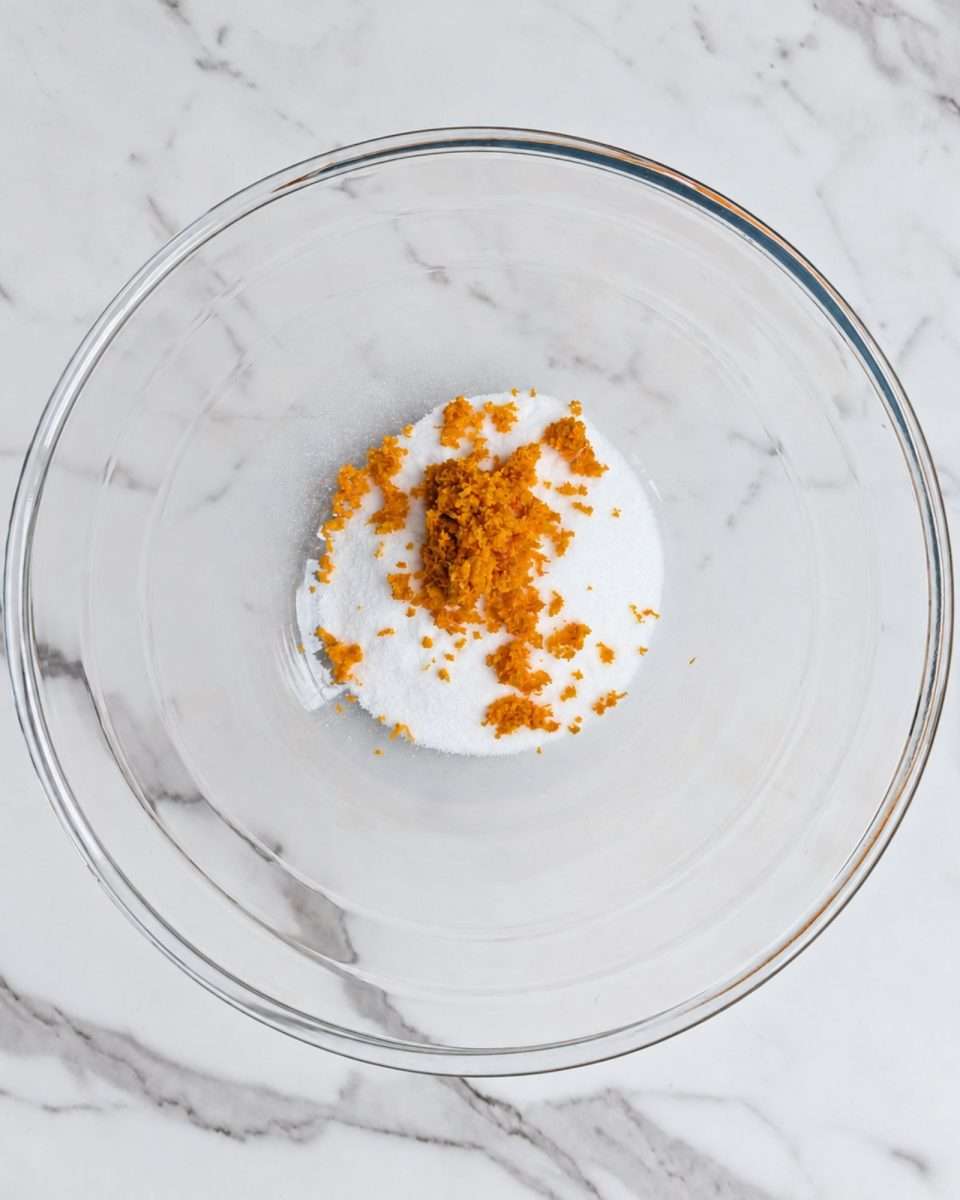
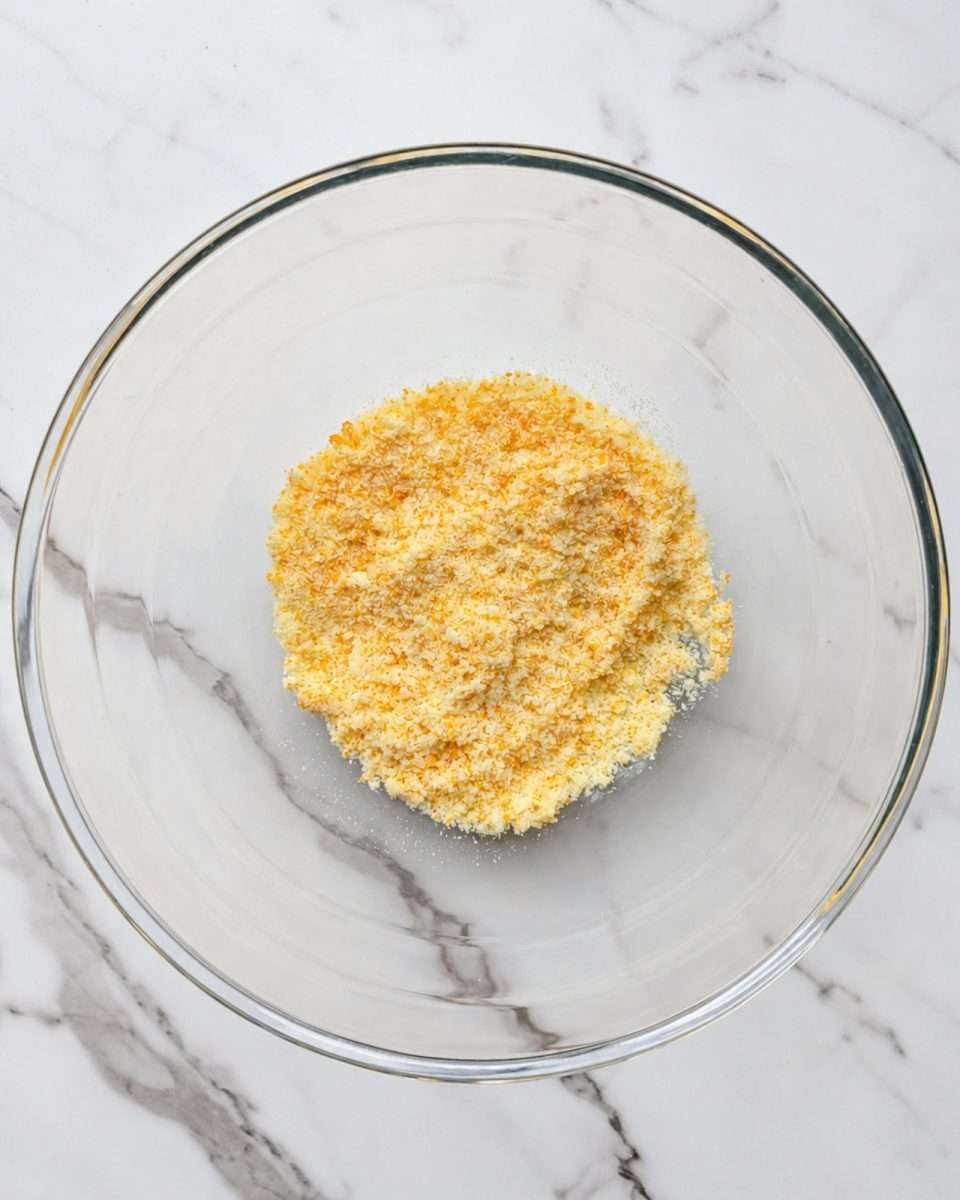
Step two. Mix the orange zest with the sugar.
Finely grate the orange peel into a large bowl, stopping before you reach the white pith. Add the caster sugar and whisk well, breaking up any clumps of zest. You want the zest distributed through the sugar rather than gathered in little damp clusters. The sugar will become fragrant as you mix.
Step three. Whisk in the wet ingredients.
Add the eggs and whisk until combined. Follow with the Greek yoghurt, oil, measured orange juice and vanilla, whisking until the mixture is smooth and evenly blended.
Keep this brief. You are combining ingredients, so stop once there are no distinct streaks of yoghurt or oil. The mixture does not need to become pale, fluffy or greatly increased in volume.
Step four. Combine the dry ingredients separately.
In another bowl, whisk together the plain flour, almond meal, baking powder, bicarbonate of soda and salt. Break up any almond meal lumps with your fingers or the back of a spoon.
Mixing these ingredients before adding the liquid distributes the raising agents more evenly. It also deals with dry clumps while they are still easy to break apart.
Step five. Fold the wet mixture into the dry ingredients.
Pour the wet mixture into the bowl of dry ingredients and switch to a spatula. Use broad movements down through the centre, across the base of the bowl and back over the mixture, turning the bowl as you go.
Scrape the sides and bottom carefully. A batter can look combined on top while a layer of flour remains underneath. Stop when no dry flour is visible and the mixture is evenly blended. The almond meal gives it a slight texture, so you do not need to keep stirring in pursuit of a perfectly glossy surface.
Step six. Bake until the centre is cooked.
Pour the batter into the prepared tin and gently level the surface. Tap the tin lightly on the bench to release large trapped air bubbles, then put it on the middle shelf.
Towards the end of the baking window, check the centre. The top should be golden, the middle should spring back lightly when touched, and a skewer inserted into the centre should come out clean.
If the skewer carries wet batter, continue baking. If the top has already developed plenty of colour, cover it loosely with foil while the centre finishes cooking. Oven temperatures and tin materials vary, so use the baking time as a guide alongside the doneness checks.
Step seven. Cool before finishing.
Leave the orange cake in its tin for the initial cooling period in the recipe card. That short rest helps the crumb settle before you move it. Carefully transfer it to a wire rack, remove the baking paper and leave it to cool completely.
Dust lightly with icing sugar just before serving. On a warm cake, the sugar is more likely to dissolve into the surface. If you want the pretty pale finish, let the cake cool first. Patience has a purpose here, annoying as that may be.
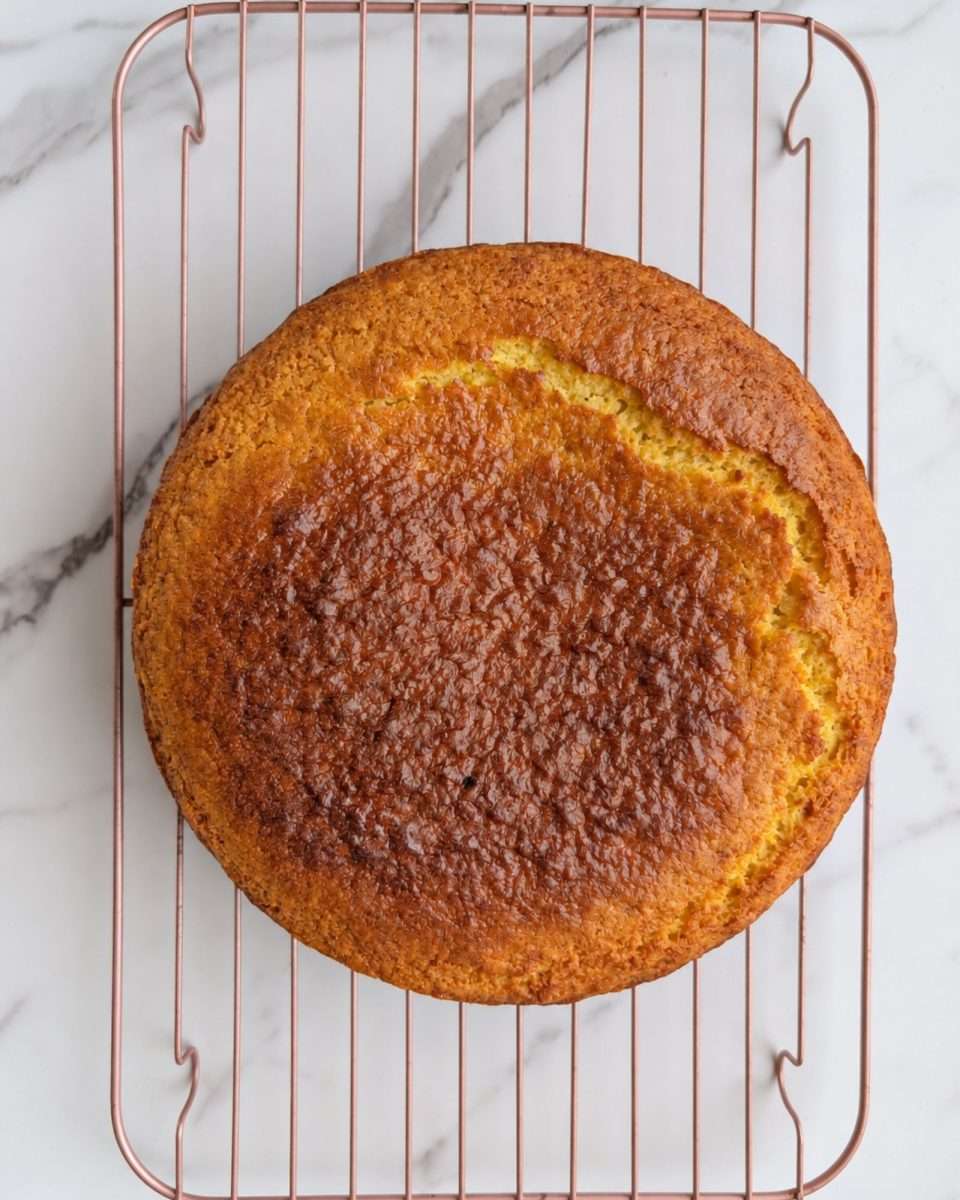
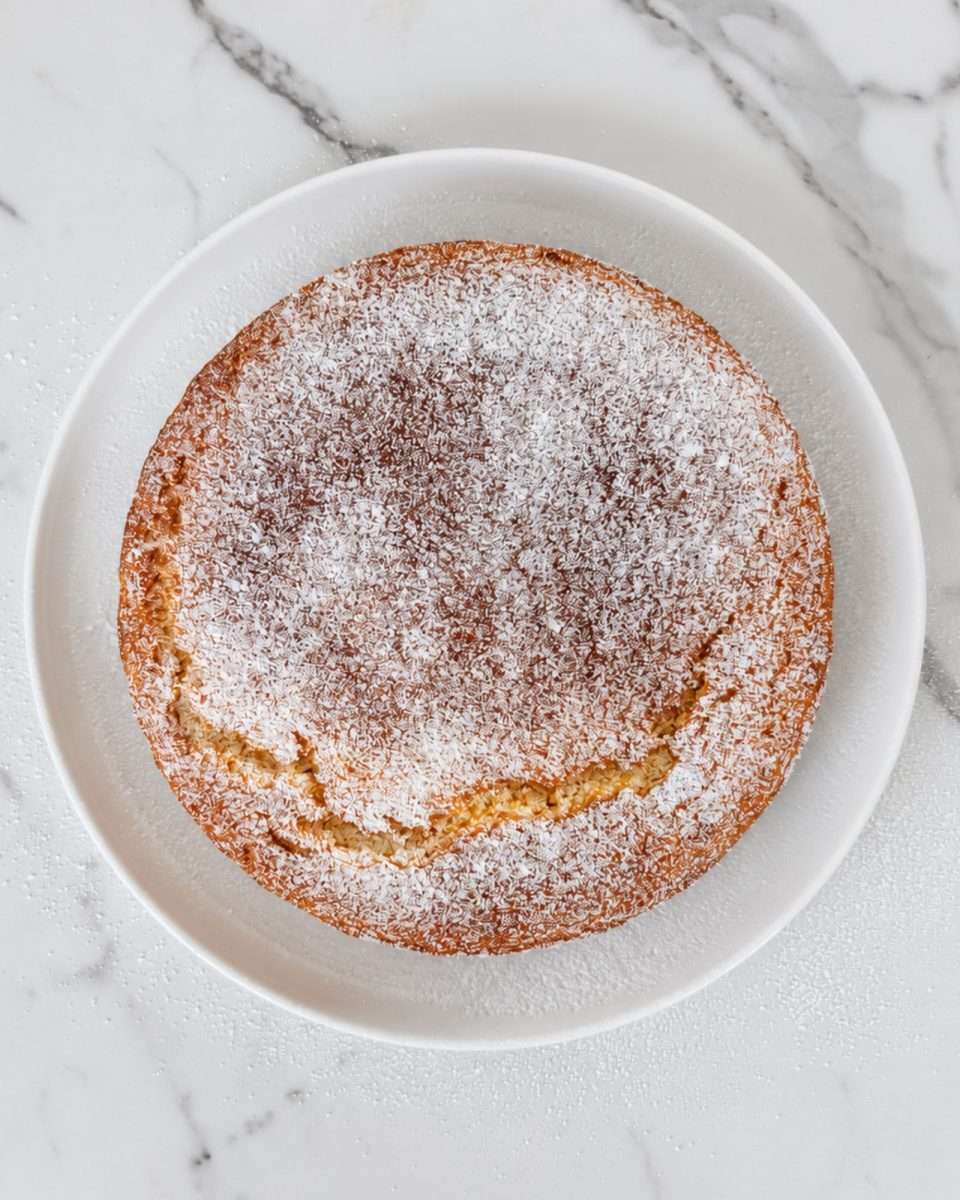
Why Is My Orange Yoghurt Cake Dense?
A little richness from yoghurt and almonds is expected. A heavy, rubbery crumb or a sticky band through the middle is a different issue, and there are a few things to try first.
Too much flour can make the cake heavier and drier. Weigh the flour and almond meal rather than packing them into a cup. Adding extra flour because the batter looks softer than another cake recipe can also upset the balance.
Excessive mixing after the flour goes in can affect tenderness. Thoroughly combine the wet ingredients and dry ingredients separately, then fold them together just until no dry flour remains. That approach lets you finish the batter without prolonged stirring.
An underbaked centre can feel dense or gummy even when the top looks done. Check with a skewer in the middle of the cake, and continue baking if it comes out with wet batter. Cooling helps the crumb settle, but it will not cook an underbaked centre.
Too much orange juice is another possible cause. Oranges vary in size and juiciness, so measure the juice rather than tipping in everything you squeeze. Save any extra for another use.
Finally, check the raising agents. Using old baking powder or accidentally leaving out a raising agent can limit the lift. Measuring them accurately is more useful than adding extra in the hope of making the cake lighter.
Serving Orange Yoghurt Cake
A light dusting of icing sugar is my first choice. It suits the simple orange cake, leaves the citrus flavour clear and makes serving very easy. Put it on a plate, slice and pass it around. There is plenty to enjoy without bringing out a piping bag.
For dessert, add a spoonful of Greek yoghurt, thick cream or softly whipped cream to each slice. Fresh orange segments make a lovely accompaniment, especially if you remove any seeds and tough pieces of membrane before serving.
Berries are another good option. Strawberries or raspberries add a fresh contrast, and you can keep them alongside the orange cake so everyone gets the combination they like. Add fresh fruit and dairy toppings to individual portions rather than the whole cake if you plan to store leftovers.
And if your ideal orange cake includes chocolate, my chocolate orange cake takes that combination in a richer direction.
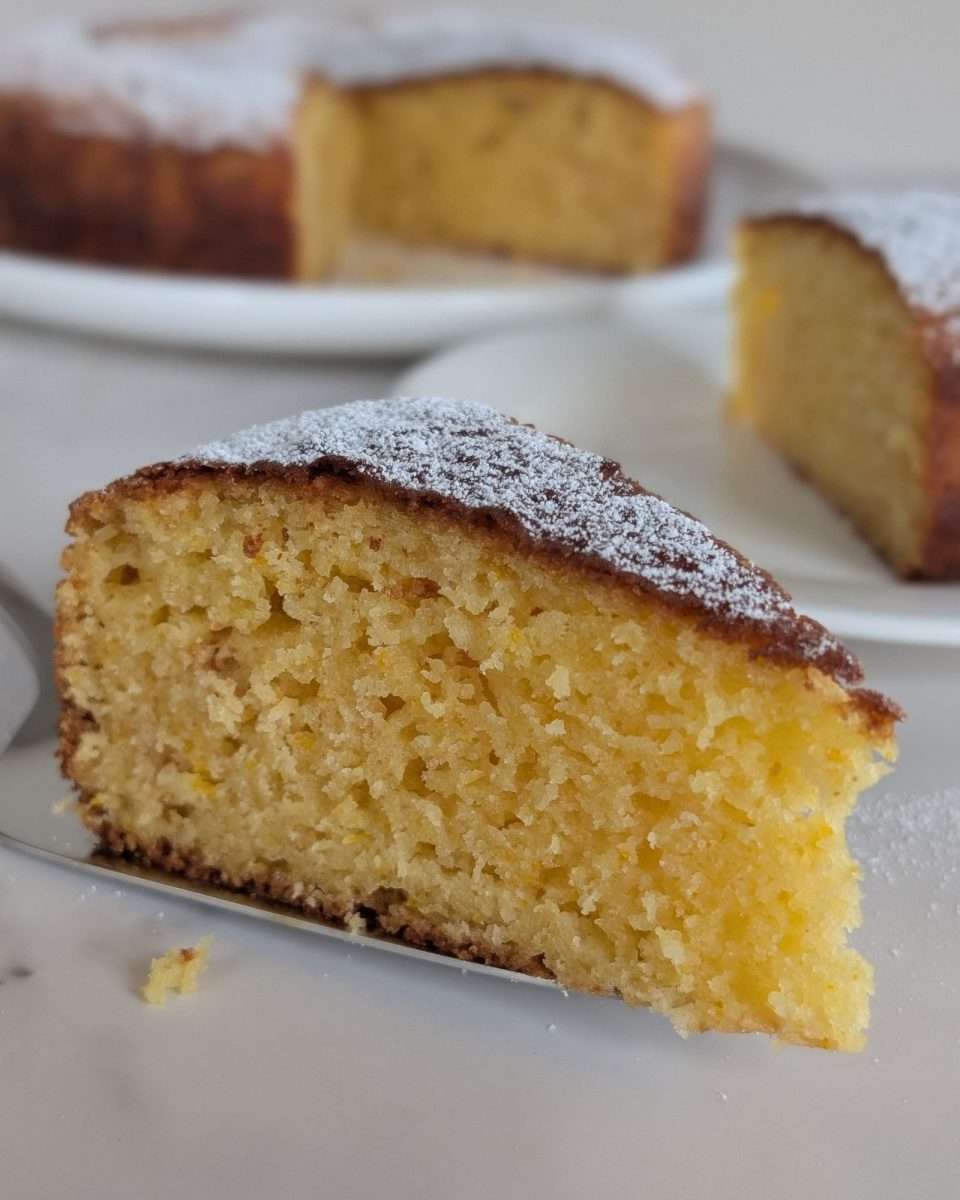
Variations And Substitutions
Orange glaze. For a sweeter finish, mix sifted icing sugar with a little orange juice until thick but pourable, then drizzle it over the completely cooled cake. Add the juice gradually. It is much easier to loosen a thick glaze than to retrieve a thin one from the bottom of the serving plate.
A touch of spice. A little ground cardamom works well with orange and almond. Keep it restrained so the citrus stays prominent. Ground cinnamon gives a warmer flavour, while vanilla on its own keeps the cake simple.
Olive oil. A mild olive oil is a possible alternative to the neutral oil. Choose one you enjoy tasting, as its flavour will be noticeable. A strongly peppery or bitter oil will change the character of the cake considerably.
Dairy-free. A thick, unsweetened plant-based yoghurt is the closest place to begin experimenting. Its fat content and consistency matter, so a thin coconut drink or runny yoghurt is not an equivalent replacement. This change keeps the eggs in the recipe.
Gluten-free. Use a flour blend specifically designed to replace plain flour in cakes if you want to experiment, following the manufacturer’s substitution guidance. Keep the almond meal, and check that the raising agents are suitable. Almond meal alone cannot replace all the plain flour and give the same cake.
Nut-free. The almond meal contributes fat and changes the crumb. You can replace it with the same amount of plain flour, but it will alter the batter.
Waste-free Tips: Ways To Use Oranges
Zesting before juicing helps you get more from the fruit. The peel supplies flavour that would otherwise be discarded, while the juice goes straight into the batter. Measure what the orange cake needs and save the rest.
Extra orange juice can go into a smoothie, a salad dressing or a quick glaze for another bake. You can also freeze it in an ice-cube tray, then transfer the cubes to a labelled freezer container. Freeze any spare finely grated zest separately so you can add it to baking without needing to thaw a whole portion of juice.
If an orange is a little wrinkled but otherwise sound, it may still be useful for juice. For this orange yoghurt cake, you also need peel that can be washed and finely grated.
The leftover Greek yoghurt is handy for serving alongside the orange cake, stirring into dressings or spooning over breakfast. And if you know you will only eat part of the cake, freeze the spare slices while they are fresh. Planning for leftovers works much better than working with a stale slice.
FAQs
Can I use regular yoghurt instead of Greek yoghurt?
Greek yoghurt is thicker than many regular yoghurts, so a runnier version will change the consistency of the batter. The recipe is written for thick, plain Greek yoghurt. A thick regular yoghurt may be a reasonable experiment, but I have not tested that substitution and would keep to the original for the most predictable result.
Can I use low-fat Greek yoghurt?
Full-fat Greek yoghurt is the recommended choice because its fat contributes to the richness and tenderness of the easy orange cake. A low-fat version may bake differently and could give a less rich crumb. Use full-fat yoghurt when you want to follow the recipe as written.
Can I use bottled orange juice?
Freshly squeezed juice is the first choice, especially because you need fresh oranges for the zest anyway. Bottled juice may have a different sweetness or acidity. If you experiment with it, choose plain orange juice and use the measured quantity in the recipe; extra juice will change the orange yoghurt cake batter.
What is the difference between almond meal and almond flour?
Both are made from ground almonds, but naming varies between brands and countries. Products labelled almond flour are often finely ground and made from blanched almonds; almond meal may include the skins. Use a finely ground product here. Coarse pieces will give the cake a rougher texture.
Can I replace the oil with butter?
Oil and butter have different compositions, so melted butter is not an identical substitution. It would also add its own flavour and change the cooled texture. This is designed to be an orange cake with oil; keep that ingredient for the result described.
Why does my orange almond yoghurt cake taste bitter?
One possible cause is grating the white pith along with the coloured zest. Use light pressure and move around the orange as soon as the white layer appears. Stale oil or almond meal can also affect the flavour, so check those ingredients before starting.
Can I bake the orange cake in a loaf tin or a larger round tin?
Changing the tin changes the depth of the batter and how quickly the centre cooks. A larger round tin will give a flatter cake that may bake sooner, while a deeper loaf may need longer. Follow the specified tin for the stated baking window; other shapes need their own timing checks.
Why has my orange Greek yoghurt cake sunk in the middle?
An underbaked centre is a common cause. The surface can look golden before the middle has enough structure to hold its shape. Check the centre with a skewer before removing the cake. Inaccurately measured raising agents and substantial changes to the batter can also affect the rise and stability.
Feedback and More: If you make this orange yoghurt cake, leave a rating and a comment below. I would love to hear how you served it. For another orange bake, try my orange white chocolate muffins, or make orange choc chip cookies when you fancy a biscuit with your cuppa. Cheers, Elby!
For more tasty ideas and new recipes from The Tasteful Pantry, join me on Instagram, Facebook and Pinterest.
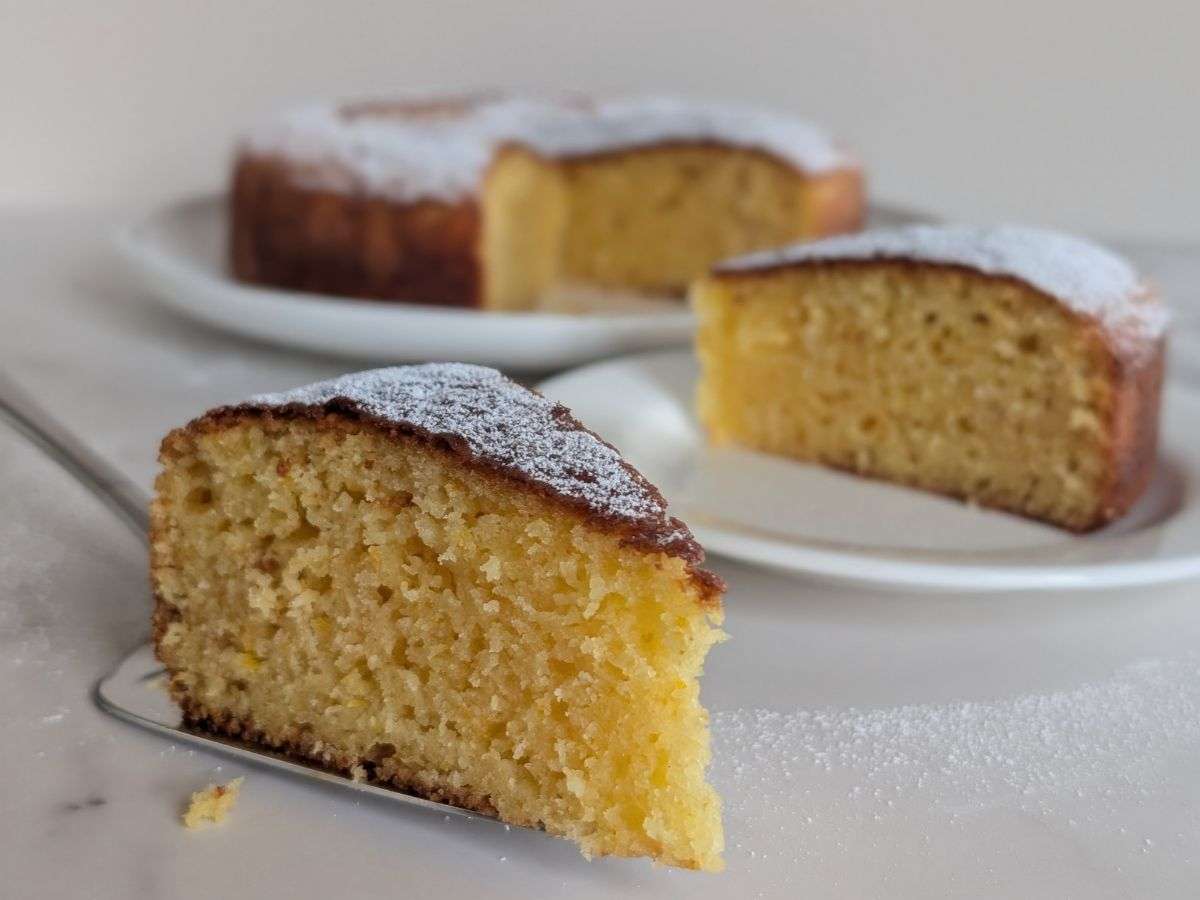
Orange Yoghurt Cake
*Note: Adjusting servings will not adjust the ‘light grey’ quantities
Ingredients
- zest of 2 medium oranges - orange part only, finely grated
- 180 grams caster sugar
- 2 large eggs - at room temperature
- 150 grams Greek yoghurt - full-fat, at room temperature
- 100 ml oil - canola or vegetable oil
- 75 ml orange juice - freshly squeezed
- 1 tsp vanilla extract
- 200 grams flour - plain
- 50 grams almond meal - ground almonds
- 2 tsp baking powder
- ¼ tsp bicarbonate of soda
- ¼ tsp salt
- icing sugar - for dusting
Instructions
- Preheat the oven to 180°C conventional or 160°C fan-forced. Lightly grease a 20 cm round cake tin, at least 6 cm deep, and line the base and sides with baking paper.
- Zest the oranges before juicing them. Place the caster sugar and orange zest in a large bowl and whisk well to combine and to remove any clumps of zest.
- Add the eggs and whisk until combined. Whisk in the Greek yoghurt, oil, orange juice and vanilla until smooth. A brief whisk is enough – there’s no need to beat until fluffy.
- In a separate bowl, whisk together the plain flour, almond meal, baking powder, bicarbonate of soda and salt. Break up any lumps of almond meal.
- Add the wet mixture to the dry ingredients. Gently fold with a spatula, scraping the base and sides of the bowl, until no dry flour remains. Stop once combined.
- Pour the batter into the prepared tin and tap 2–3 times on the bench to release air bubbles. Bake on the middle shelf for approximately 30–35 minutes. The cake should be golden, the centre should spring back lightly when touched, and a skewer inserted into the centre should come out clean.
- Leave in the tin for 15 minutes, then carefully transfer to a wire rack to cool completely. Dust lightly with icing sugar just before serving.
Nutrition
*Nutrition and calorie figures are estimates only.